

PCOS can affect many aspects of health, from menstrual cycles and ovulation to hormone levels and metabolic balance. Symptoms and lab findings don’t always fit neatly into one picture, and many patients are left unsure how to interpret what’s happening in their body or what to focus on next.
A note on the name: In May 2026, the global medical community officially renamed PCOS to Polyendocrine Metabolic Ovarian Syndrome (PMOS). This long-overdue change more accurately reflects the condition’s hormonal and metabolic complexity. You may see both names used interchangeably as the transition takes hold — they refer to the same condition. At Well Woman Acupuncture, we welcome this shift and are updating our language to reflect it.
At Well Woman Acupuncture, Polyendocrine Metabolic Ovarian Syndrome (PMOS, formerly referred to as PCOS) is a long-standing focus of our clinical work. We provide acupuncture for PMOS with an approach that combines careful listening, clinical depth, and collaboration with your medical providers, so treatment feels clear, coordinated, and responsive.
For patients seeking acupuncture for PMOS in Boulder and Longmont, our goal is to offer steady guidance and individualized care that adapts as your body changes.
What this means in practice:
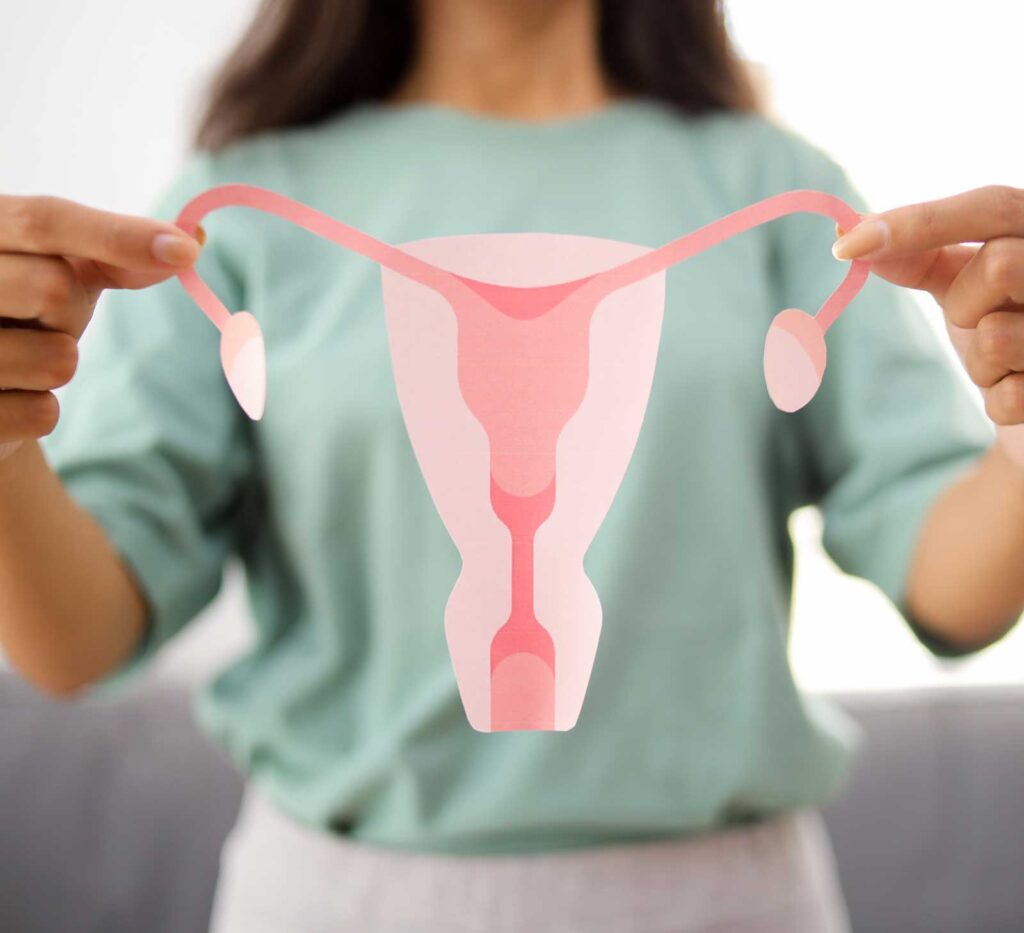
PCOS presents differently from person to person. Effective treatment depends on understanding the specific pattern involved and adjusting care as the body responds.
Acupuncture for PCOS/PMOS focuses on supporting hormonal signaling, ovulation, and metabolic balance while addressing the individual ways PMOS shows up.
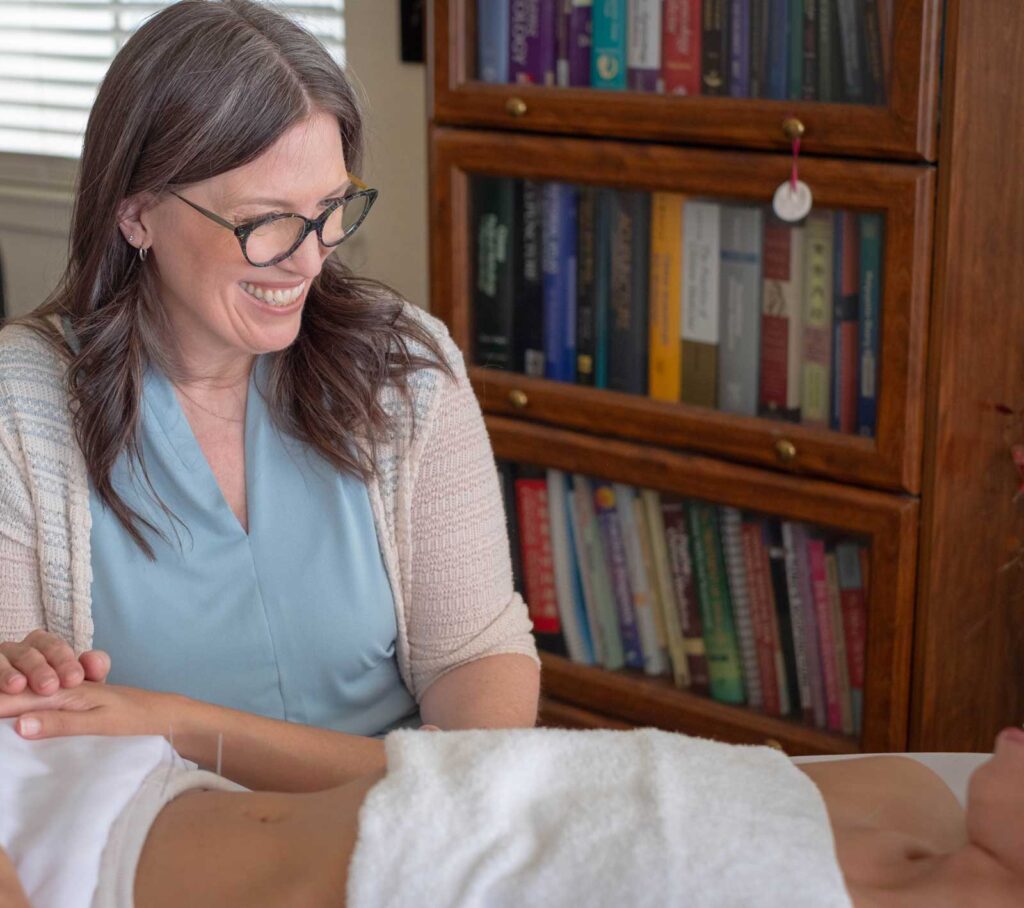
Our work integrates East Asian medicine with modern clinical understanding. We routinely review laboratory results, ultrasound findings, and prior treatment history when available, and we collaborate with medical providers to support coordinated care.
Curious how hormones could be playing a role in your symptoms? → Explore our hormone evaluation service
Your first visit includes a comprehensive intake and detailed review of your cycle history, symptoms, laboratory findings, and any current or prior medical treatment.
You can expect:
Treatment plans are adjusted based on cycle response, symptom changes, and long-term goals.
Sessions may include:
Patients often appreciate the combination of clinical thoroughness and steady, attentive support.
PCOS (Polycystic Ovarian Syndrome) has officially been renamed PMOS (Polyendocrine Metabolic Ovarian Syndrome) following a global consensus process involving international medical organizations, researchers, and patient advocacy groups. The updated name better reflects the hormonal, metabolic, and whole-body nature of the condition rather than focusing primarily on ovarian cysts, which are not present in all patients.
While many people still use the term PCOS, PMOS is increasingly being adopted in updated research, education, and clinical guidelines.
Acupuncture is commonly used to support cycle regulation and ovulation in patients with PCOS. Treatment focuses on hormonal signaling and cycle consistency over time.
No. Many patients seek acupuncture to regulate cycles, manage symptoms, or support overall hormonal balance, whether or not pregnancy is a current goal.