

Pain and injury can make everyday movement more difficult, whether symptoms develop gradually or follow strain, overuse, or physical injury. Many people seek care not only for pain relief, but to stay active, functional, and engaged in daily life.
At Well Woman Acupuncture, we work with patients seeking acupuncture for chronic pain and pain relief who need their bodies to keep moving. Treatment is individualized and may include acupuncture, cupping, or electrical stimulation (e-stim), based on your symptoms and goals. Our approach supports mobility, recovery, and long-term pain regulation, while complementing medical or rehabilitative care when appropriate.
For patients seeking acupuncture for pain relief in Boulder and Longmont, including care for chronic or recurring pain, our focus is careful assessment, coordinated care, and steady progress over time.
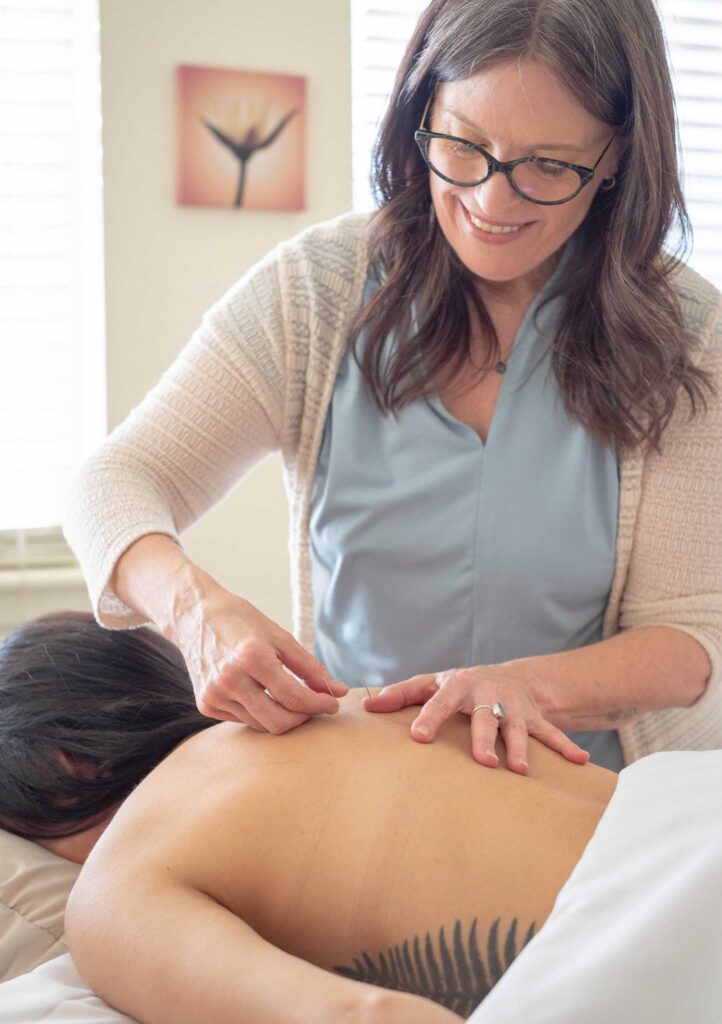
Pain is often influenced by circulation, muscle tension, joint mechanics, and the nervous system’s response to injury or stress. Acupuncture for pain relief works by supporting these systems together rather than addressing symptoms in isolation.

In addition to acupuncture, treatment may include guasha or cupping therapy to support circulation and tissue release, or electrical stimulation (e-stim) applied through acupuncture needles to help reduce pain and support muscle recovery when appropriate.
Our work integrates East Asian medicine with modern clinical understanding and is designed to complement medical care, physical therapy, or other rehabilitative treatment.
Acupuncture is commonly used as supportive care for a wide range of pain-related concerns, including:
Care is always individualized and adjusted as pain patterns, mobility, and functional goals change.

Your first visit includes a comprehensive intake and focused assessment of your pain history, movement patterns, and any prior evaluation or treatment.
You can expect:
Treatment plans are adjusted based on response, functional goals, and recovery timeline.
Sessions may include:
Patients often value having care that adapts as their body responds.
Yes. Acupuncture is commonly used as supportive care for chronic pain. Treatment plans are designed to support pain regulation, circulation, and long-term improvement rather than short-term symptom suppression.
Yes. Many patients seek acupuncture for lower back pain. Treatment often focuses on reducing muscle tension, improving circulation, and supporting mobility and recovery.
Yes. Acupuncture is commonly used to support neck pain and shoulder pain, particularly when tension, posture, or overuse contribute to symptoms.
Acupuncture is often used as supportive care for nerve pain, with treatment aimed at supporting circulation, reducing irritation, and improving pain regulation.
Cupping uses gentle suction on the skin to support circulation, release muscle tension, and reduce pain. It is often used alongside acupuncture for musculoskeletal concerns.
E-stim, or electroacupuncture, uses a mild electrical current applied through acupuncture needles to support pain reduction and muscle recovery. It is used selectively based on clinical presentation.
Yes. Acupuncture often works well alongside physical therapy, chiropractic care, and medical treatment.
No. Acupuncture is supportive care and does not replace medical evaluation or treatment.