

Perimenopause and menopause mark a gradual and significant transition. Hormonal shifts often unfold over time and can influence sleep, mood, temperature regulation, metabolism, sexual health, and overall well-being in different ways for each person.
At Well Woman Acupuncture, we support patients through this transition with care that is attentive, individualized, and grounded in clinical experience. Treatment focuses on supporting hormonal regulation and whole-body balance, with an approach that adapts as your needs change across this phase of life.
Many patients seek acupuncture for menopause and acupuncture for perimenopause in Boulder and Longmont as part of a broader approach to hormonal balance.
What this means in practice:
Wondering if your hormones are playing a role in your symptoms? → Explore our hormonal evaluation service

Perimenopause and menopause involve shifts in ovarian hormone production, communication between the brain and endocrine system, and metabolic regulation. Acupuncture focuses on supporting these systems as they adapt.
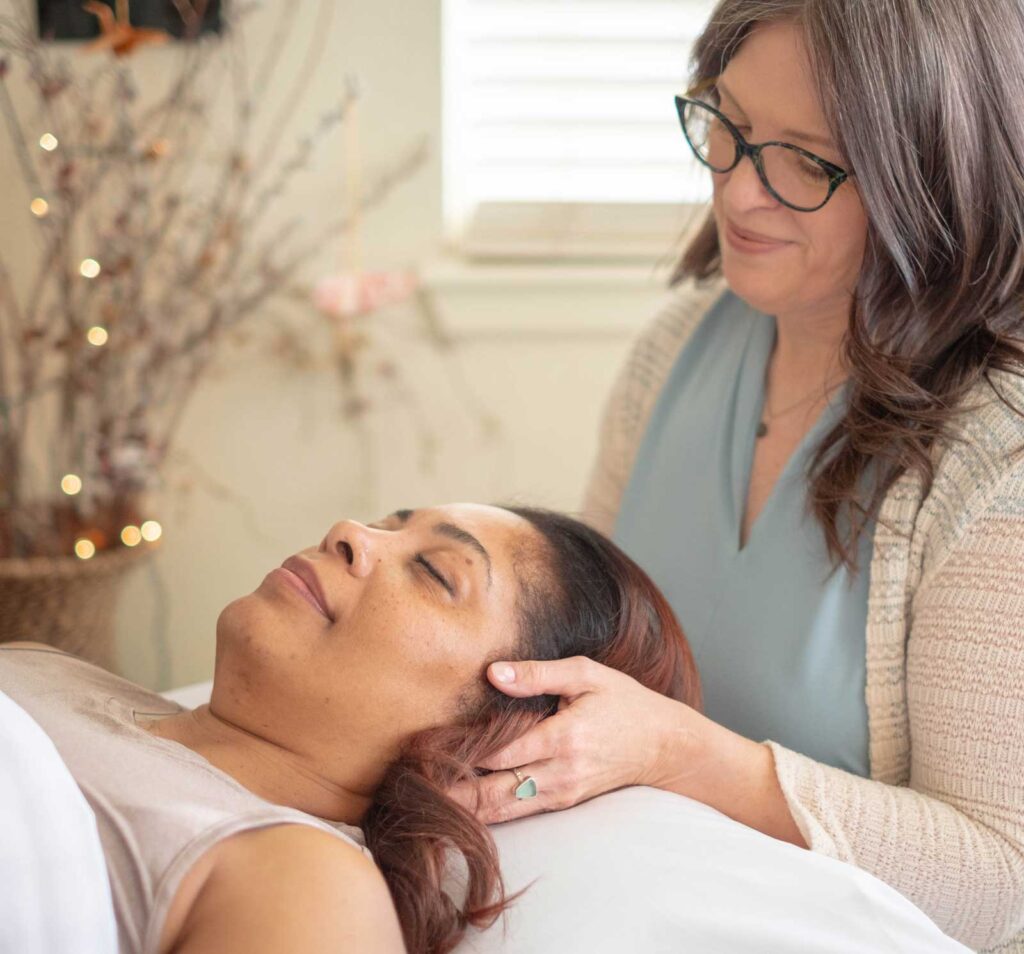
Our work integrates East Asian medicine with modern clinical understanding and is designed to complement medical evaluation and treatment, not replace it.
Acupuncture is commonly used as supportive care for a wide range of symptoms associated with hormonal transition.
Care is individualized and designed to work alongside medical guidance.
Not sure what’s driving your symptoms
→ Explore our hormonal evaluation service

Your first visit includes a comprehensive intake and review of symptoms, cycle history, relevant labs, and current medical care.
You can expect:
Treatment plans are adjusted as symptoms change and hormonal patterns evolve.
Sessions may include:
Patients often appreciate having consistent, informed support during a period of transition.
Yes. Acupuncture is commonly used as supportive care to help manage hot flashes and night sweats by supporting hormonal regulation and temperature balance.
Acupuncture is often used to support sleep quality during hormonal transition, particularly when sleep disruption is related to temperature changes or hormonal shifts.
Acupuncture is commonly used as supportive care to help address factors that influence libido during menopause, such as hormonal changes, sleep disruption, and overall energy levels. Care is individualized and may be integrated alongside medical treatment when appropriate.
No. Acupuncture can be used with or without HRT and is often integrated alongside medical care when appropriate.
Hormonal transitions unfold over time. Many patients plan for several months of consistent treatment, with adjustments based on symptoms and response.
No. Acupuncture is supportive care and does not replace medical evaluation or treatment. It is intended to complement care from your medical provider.